
The best time to do the Ha Giang Loop depends on what matters most to you: cooler riding weather, greener landscapes, seasonal flowers, clearer-looking mountain views or quieter travel dates. Ha Giang can be visited throughout the year, but the experience changes noticeably with rain, mist, wind, heat and altitude.
For many first-time visitors, September to November is the easiest period to recommend because conditions are generally cooler. April to June can also be pleasant and warm. July and August bring vivid green scenery but are hotter and more affected by regular monsoon rain. Winter is colder and often mistier, creating a very different mountain journey.
Use this guide to choose the season whose trade-offs suit you. Then read the Ha Giang Loop Guide for route planning and check the short-term forecast close to departure, because no seasonal guide can guarantee the conditions on a specific day.
Quick answer
Choose September, October or November for cooler conditions and general riding comfort. Choose April, May or June for warmer weather and spring-to-early-summer landscapes. Consider July or August if you accept rain-related uncertainty in exchange for intensely green mountains and fuller waterways. Choose winter only if you are comfortable packing for cold mornings, wind and variable visibility.
There is no single “perfect” month. Mountain weather changes quickly, and the best choice is the period whose likely conditions match your expectations—not the month with the most attractive photograph online.
Ha Giang Weather by Season
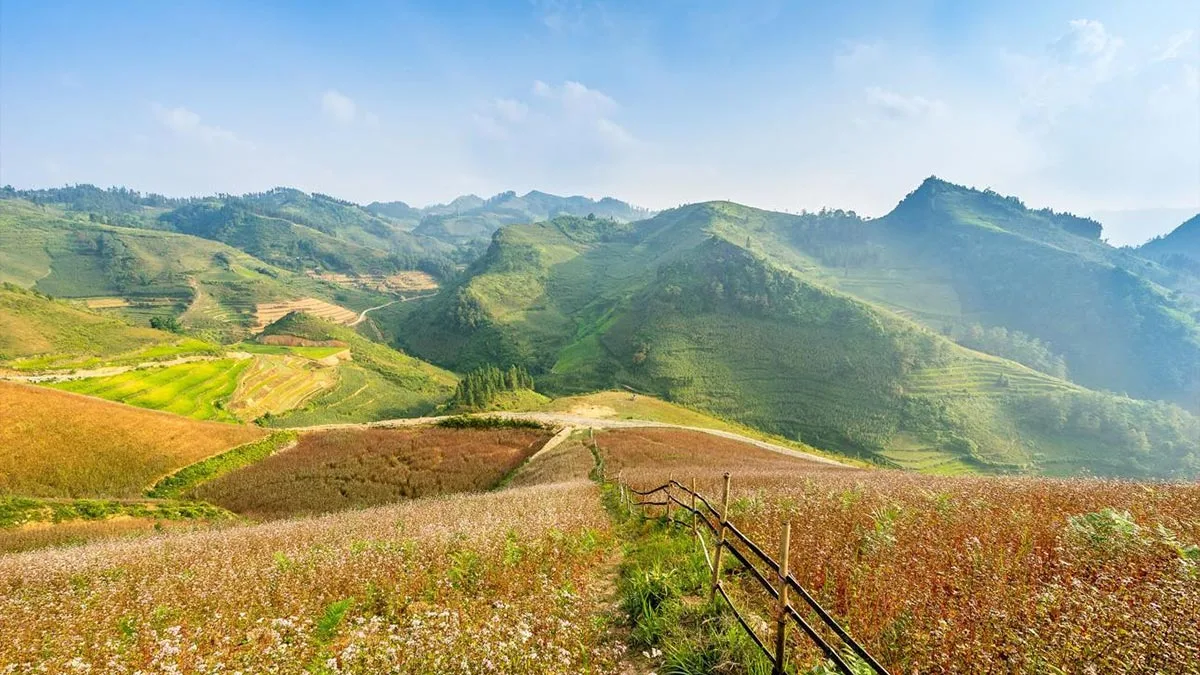
Spring: March to May
Spring is a transition from the colder winter period into warmer conditions. March can still feel cool in the mornings and at higher elevations, while April and May become progressively warmer. Seasonal color and new growth can make the landscape feel fresh, but cloud, light rain and rapid temperature changes remain possible.
Spring suits travelers who want a middle ground between winter cold and peak-summer rain. Pack breathable layers for daytime, a warmer layer for early starts and a waterproof outer layer. Do not assume a sunny forecast in Ha Giang City describes conditions on Ma Pi Leng Pass or another high section of the route.
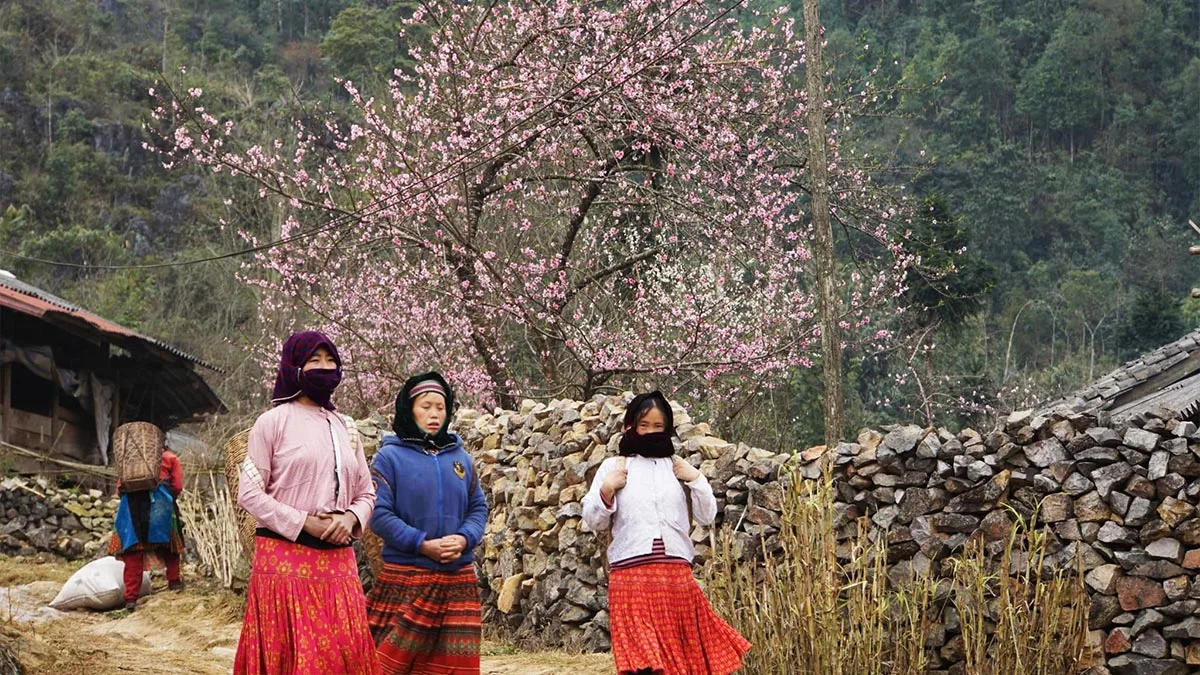
Summer: June to August
Summer brings some of Ha Giang’s richest green scenery. Terraced fields, valleys and roadside vegetation can look especially vivid, and waterfalls or streams may appear fuller after rain. The visual reward comes with a practical trade-off: heat, humidity and wetter mountain conditions.
July and August are commonly associated with regular monsoon rain. That does not mean continuous rain every day, but a strong shower can reduce visibility, loosen gravel, cover potholes or affect road works and mountain surfaces. Travelers during this period need a flexible mindset, reliable rain protection and willingness to follow local route changes.
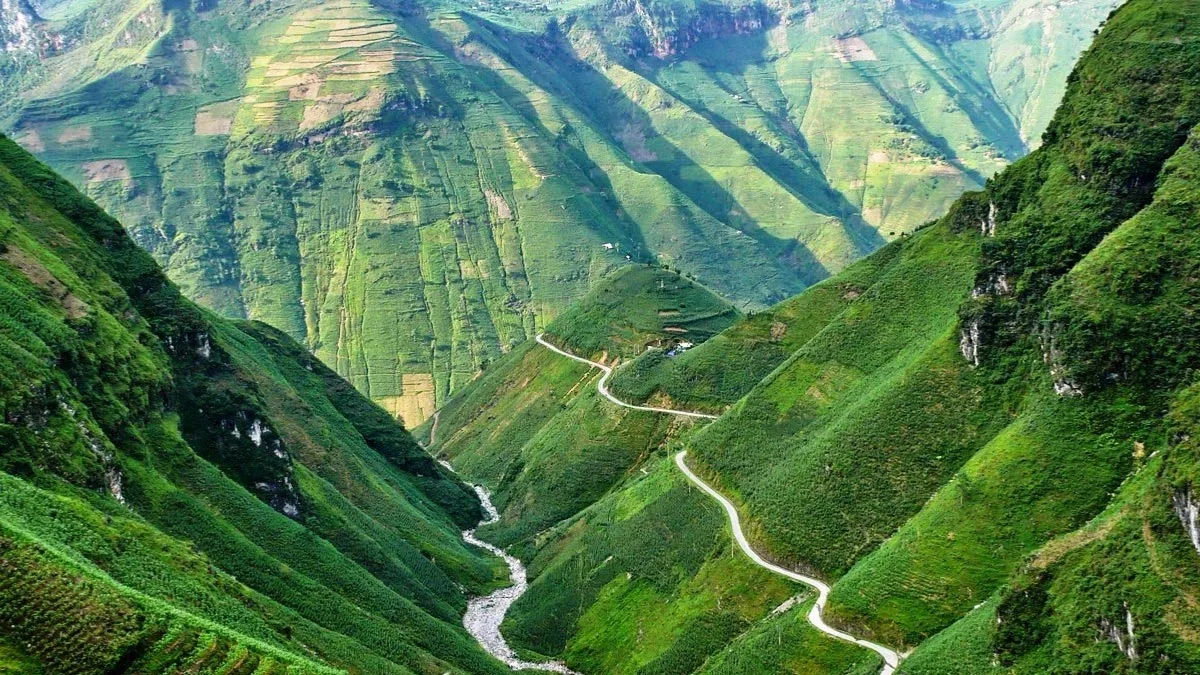
Autumn: September to November
September to November is a strong all-round window for many travelers. The official Vietnam Tourism’s Ha Giang guide describes this period as cooler, which can make long hours on mountain roads more comfortable than peak summer. September marks the transition away from the wetter months, while October and November are popular for later-year scenery.
November is well known for buckwheat flower season and festival interest, but bloom timing depends on weather and location. Popular dates may also be busier. Choose autumn for its overall conditions, not because one field or one view is guaranteed to look exactly like a social-media photograph.
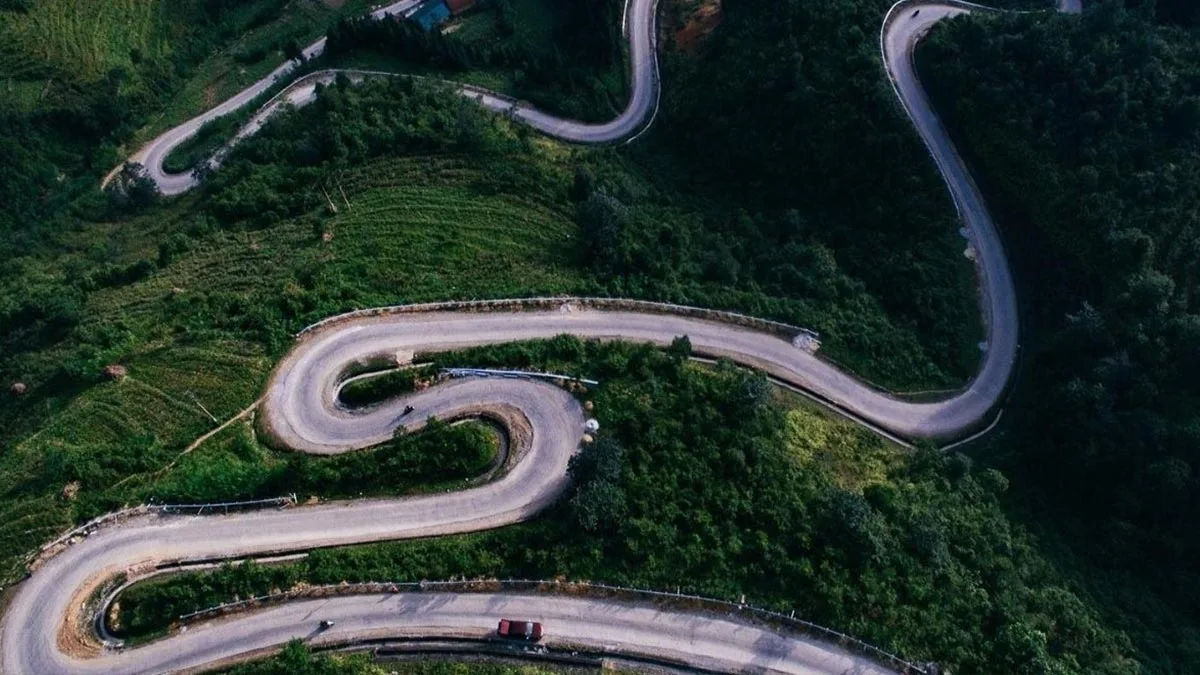
Winter: December to February
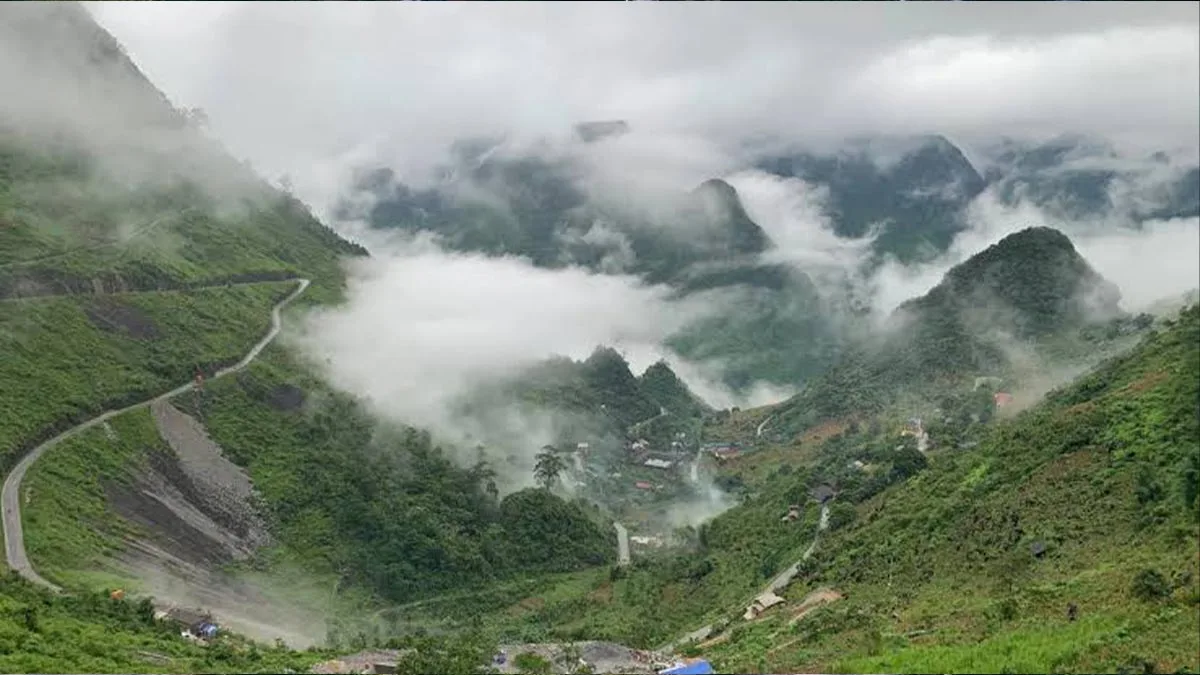
Winter reveals a colder and often mistier side of Ha Giang. High passes can feel significantly colder than lower towns because of wind, cloud and exposure. Fog or low cloud may soften the scenery but can also reduce visibility, so the road experience can be slower and less predictable.
Winter suits travelers who enjoy atmospheric mountain conditions and are prepared to dress properly. Bring warm layers, long trousers, closed shoes, wind protection and rain protection. Easy Rider passengers should still dress warmly because sitting on a moving bike can feel colder than walking at the same temperature.
What About the Ha Giang Rainy Season?
The most important rainy-season question is not “Will it rain?” but “How will changing conditions affect the route?” A short shower may cause little disruption, while heavier rain can reduce visibility and change the safest pace. Gravel, mud, standing water and road works demand more attention, especially from Self-Riders.
A fixed online itinerary should therefore be treated as a plan rather than a guarantee. SkyPath may adjust timing, stops or route details when weather, traffic, road conditions or guest safety require it, while keeping the main highlights whenever conditions allow.
Best Time to See Ha Giang Scenery, Flowers and Waterfalls
Travelers seeking green landscapes may prefer the wetter summer period. Spring can bring seasonal blossoms and fresh vegetation. Autumn is associated with cooler conditions, harvest scenery in some areas and later-year flowers. Waterfalls can look fuller after rain, but access and swimming conditions must always be judged locally.
Seasonal scenery is not synchronized across the whole province. Altitude, recent rain, planting schedules and local microclimates all matter. Build your trip around the wider landscape and road journey rather than one flower field, one rice terrace or one waterfall condition.
Best Time for Ha Giang Loop Photography
Cooler months may provide comfortable shooting conditions, while wet-season clouds and mist can add atmosphere and depth. However, visibility can change within minutes in the mountains. The safest and most productive approach is to stop at proper pull-offs, keep equipment waterproof and avoid taking photographs while the motorbike is moving.
If photography is a major priority, a longer itinerary can create more opportunities for planned stops, but it cannot guarantee light or visibility. Tell your guide what you hope to photograph so stops can be considered without compromising the route or safety.
Does Weather Change Which Itinerary You Should Choose?
It can. A compact 2D1N itinerary leaves less time to absorb delays and is naturally faster-paced. The 3D2N route remains the best overall balance for many first-time visitors, while 4D3N gives Ha Giang a larger place in your trip and allows a deeper journey. Longer does not mean weather-proof: it also means more days exposed to changing conditions.
Choose duration based on available time and desired pace first. Then use the seasonal outlook to prepare clothing and expectations. The article Ha Giang Loop itinerary: 2, 3 or 4 days explains the route trade-offs in more detail.
Easy Rider or Self-Riding in Different Seasons?
Weather increases the difference between the two riding options. With an Easy Rider, an experienced local rider controls the bike while you focus on the journey. With Self-Riding, you must manage braking, road position, visibility, wet surfaces and fatigue yourself.
Self-Riding is only for riders with genuine motorcycle experience, suitable legal documents and insurance that covers the activity. It should not be chosen because the forecast looks dry or because it is cheaper. Conditions on the Loop can change even when the day begins clearly.
What to Pack for the Ha Giang Loop by Season
- Every season: light waterproof layer, closed shoes, sun protection and waterproof protection for electronics.
- Spring: adaptable layers for cool mornings and warmer afternoons.
- Summer: breathable clothing, rain protection, sunscreen and a way to keep documents dry.
- Autumn: layered clothing and a warmer outer layer for early starts.
- Winter: warm jacket or fleece, wind protection, gloves and thicker socks.
Pack light enough for the motorbike, but do not remove the warm or waterproof layer just to save space.
Ha Giang Loop Weather: Check Conditions Before Departure
Choose your month using broad seasonal patterns, but make final decisions using current information. Check the forecast shortly before departure, ask SkyPath about recent road conditions and remain open to timing or route adjustments. Flexibility is not a downgrade; in mountain travel, it is part of planning responsibly.
READY TO CHOOSE YOUR RIDING STYLE?
Choose the Right Ha Giang Journey
Compare routes, durations and riding options to find a SkyPath tour that fits your season and travel style.
Frequently Asked Questions
September to November is a strong choice for cooler conditions, while April to June can be pleasant and warm. The best period depends on whether you prioritize comfort, green scenery, flowers or quieter dates.
October falls within the cooler September–November period and is popular for mountain travel. Weather is still variable, so check the forecast near departure.
July and August commonly bring regular monsoon rain. Rain may not last all day, but it can affect visibility, surfaces and route decisions.
Yes. Prepare for colder mornings, wind, mist and variable visibility, particularly in higher mountain areas.
Yes. Timing, stops or route details may be adjusted when weather, traffic, road conditions or guest safety require it.