
Ha Giang weather by month changes from cold and misty winter conditions to warmer spring, wetter green summer and cooler autumn travel. Mountain conditions can also feel very different from forecasts for lower towns because elevation, wind, cloud and local rain affect each section of the Loop.
This January-to-December guide is for practical planning. It does not promise exact weather, temperature or seasonal scenery on a specific date. Use the monthly pattern to choose your preferred trade-offs, then check current forecasts and road conditions close to departure.
For a broader recommendation by season, read Best Time to Do the Ha Giang Loop. For routes, riding options and preparation, use the Ha Giang Loop Guide.
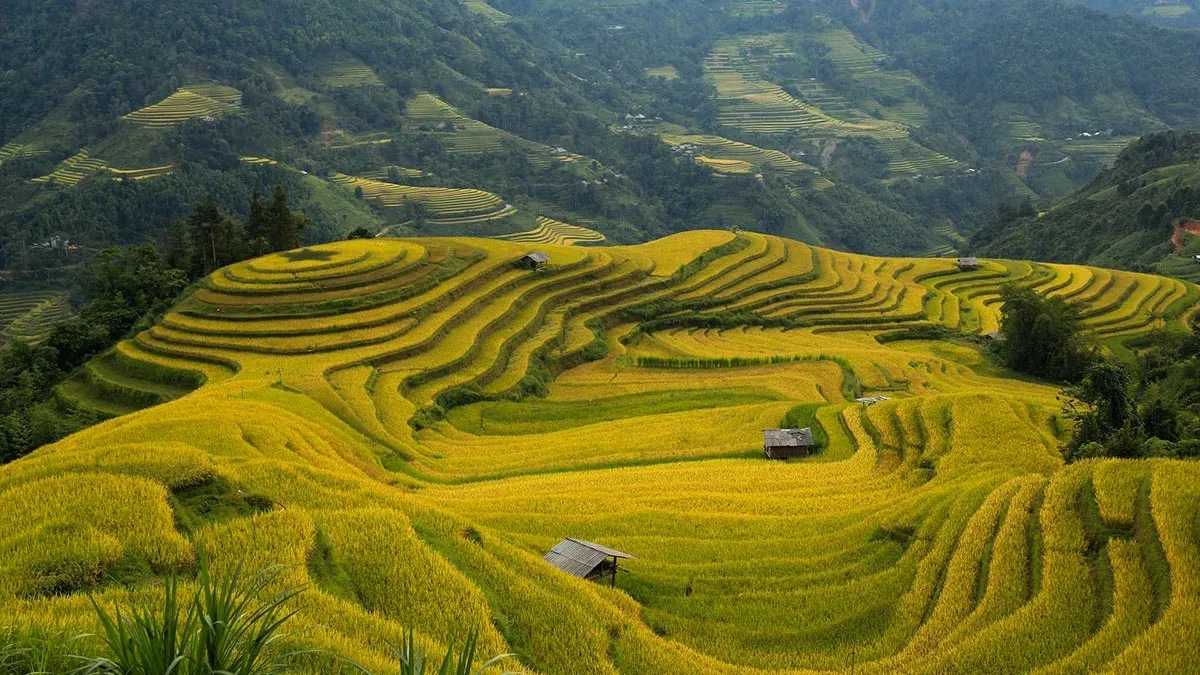
Ha Giang Weather by Month: Quick Overview
| Period | Typical pattern | Main planning point |
| January–February | Colder, often misty | Warm and windproof layers |
| March–May | Spring transition, increasingly warm | Flexible layers and rain protection |
| June–August | Wetter, greener summer | Rain gear and route flexibility |
| September–November | Cooler popular period | Comfortable riding conditions, variable scenery |
| December | Return to winter conditions | Warm layers and visibility awareness |
Vietnam Tourism’s Ha Giang guide identifies September through November as a cooler time to visit, April through June as pleasant and warm, and July and August as hot with regular monsoons. Mountain weather still creates day-to-day and place-to-place differences.
January: Cold Mountain Conditions
January is one of the colder periods in Ha Giang. Early mornings and high passes can feel especially cold because of wind and exposure. Mist or low cloud may reduce visibility, changing both the view and the pace of the ride. Pack warm layers, long trousers, closed shoes, wind protection and rain protection. Easy Rider passengers also need proper insulation because sitting on a moving motorbike can feel colder than walking. Choose January if you accept winter atmosphere and do not require consistently open mountain views.
February: Cool, Variable and Moving Toward Spring
February can remain cold at altitude, while lower areas may begin to show early signs of seasonal change. Damp air, cloud and mist are still possible. Conditions often vary between morning and afternoon, so clothing that can be added or removed is more useful than one heavy layer. Travel dates around major holidays or seasonal events may affect availability independently of weather. Book based on the full trip plan, not only the forecast, and keep expectations flexible for flowering scenery.
March: Milder Spring Weather
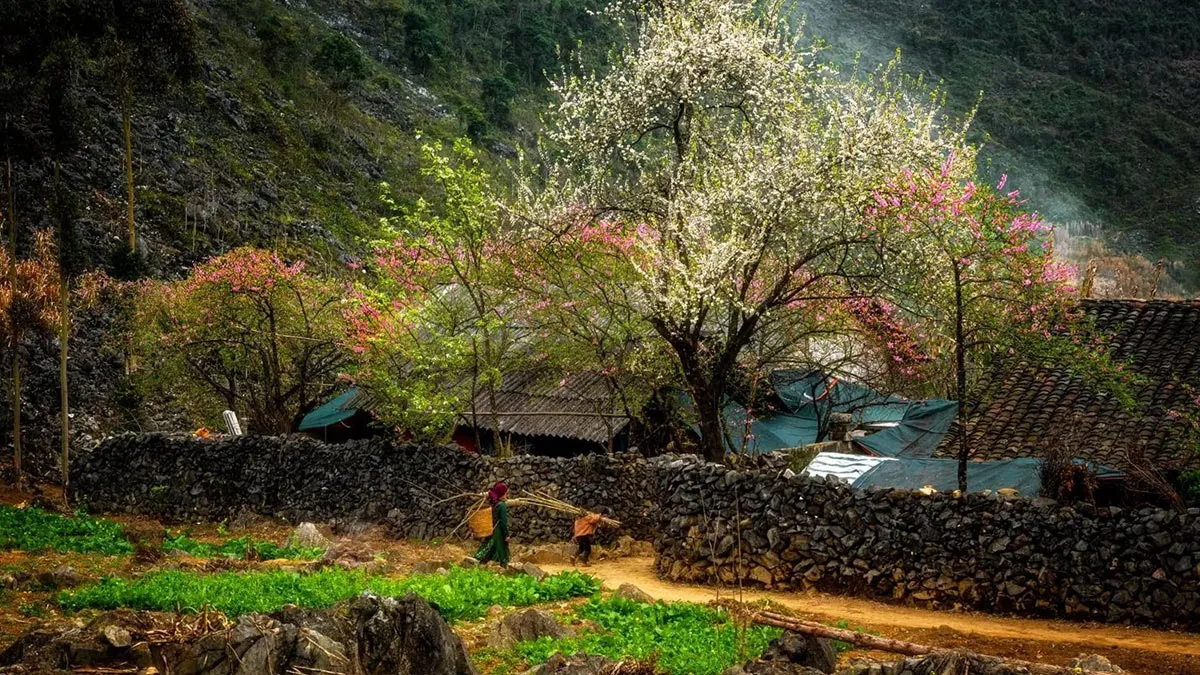
March generally moves into milder spring conditions. It is associated with seasonal color and flowering landscapes, but bloom timing varies by altitude, recent weather and location. Mountain mornings may still feel cool even when daytime conditions are comfortable. Bring a warm layer, light rain protection and sun protection. March can suit travelers who want to avoid the strongest summer heat while accepting that cloud and spring showers remain possible.
April: Warmer and Comfortable for Many Travelers
April is within the pleasant and warm April-to-June period highlighted by Vietnam Tourism. Longer outdoor days can feel comfortable, while early starts at elevation may still be cooler. Rain is possible, so warmer weather is not a reason to leave waterproofing behind.
April is a good all-round choice for travelers who prefer warmth without deliberately choosing the wetter peak-summer period. Pack breathable clothing, one warm layer, closed shoes, sunscreen and a compact rain layer.
May: Warm with Increasing Summer Influence
May continues the warming trend and begins to feel closer to summer. Sun exposure and hydration become more important, but mountain rain can still arrive quickly. Green scenery may become more prominent as the wet season develops.
Choose May if you are comfortable with warmer riding conditions and want a spring-to-summer landscape. Keep electronics and documents waterproofed even when the morning begins dry.
June: Green Landscapes and Wetter Conditions
June enters the wetter summer pattern. Rain supports lush vegetation and can make waterways or waterfalls look fuller. The same rain can also affect visibility, gravel, road works and access to water-based stops.
Bring effective rain protection, quick-drying layers and waterproof storage. Treat swimming or waterfall access as condition-dependent. Local guidance on the day matters more than an itinerary photograph or a previous traveler’s experience.
July: Hotter with Regular Monsoon Rain
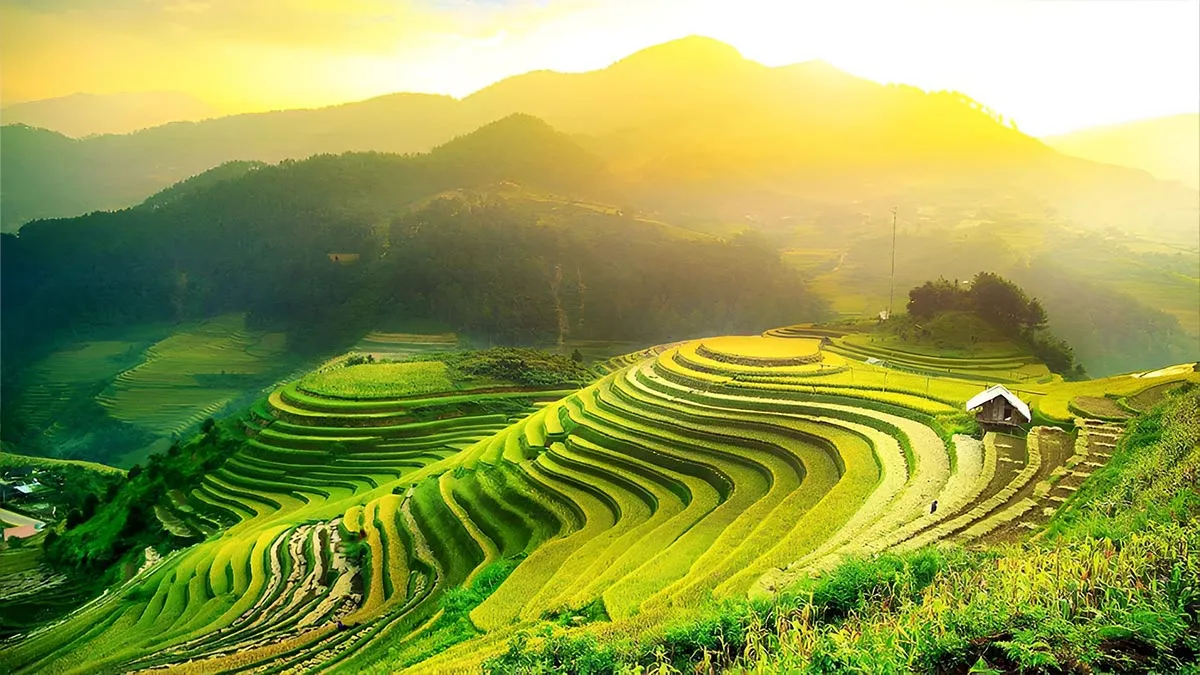
July can be hot, humid and wet, with regular monsoon rain. This does not necessarily mean rain throughout every day. The practical issue is unpredictability: a heavy shower can reduce visibility and make mountain surfaces more demanding.
July suits travelers who value intensely green scenery and can accept route or timing changes. Self-Riders need genuine experience with wet roads and reduced visibility; a favorable morning forecast does not remove that requirement.
August: Wet, Green and Weather-Dependent
August remains within the wetter summer period. Landscapes can be vivid, but prolonged or heavy rain may affect roads, streams and steep slopes. Operators may need to adjust a route or omit a stop if current conditions are unsafe.
Pack similarly to July and build flexibility into onward transport. Avoid arranging a connection so tight that any weather-related delay creates a larger travel problem.
September: Cooler Transition and Strong All-Round Conditions
September begins the cooler September-to-November window identified in official Ha Giang travel guidance. It can feel more comfortable than peak summer, while landscapes may still retain strong green color. Rain remains possible during the seasonal transition.
September is a strong choice for travelers seeking a balance between scenery and riding comfort. If specific rice or harvest imagery matters to you, remember that timing varies by district, field and year.
October: Cooler Weather and Popular Mountain Travel
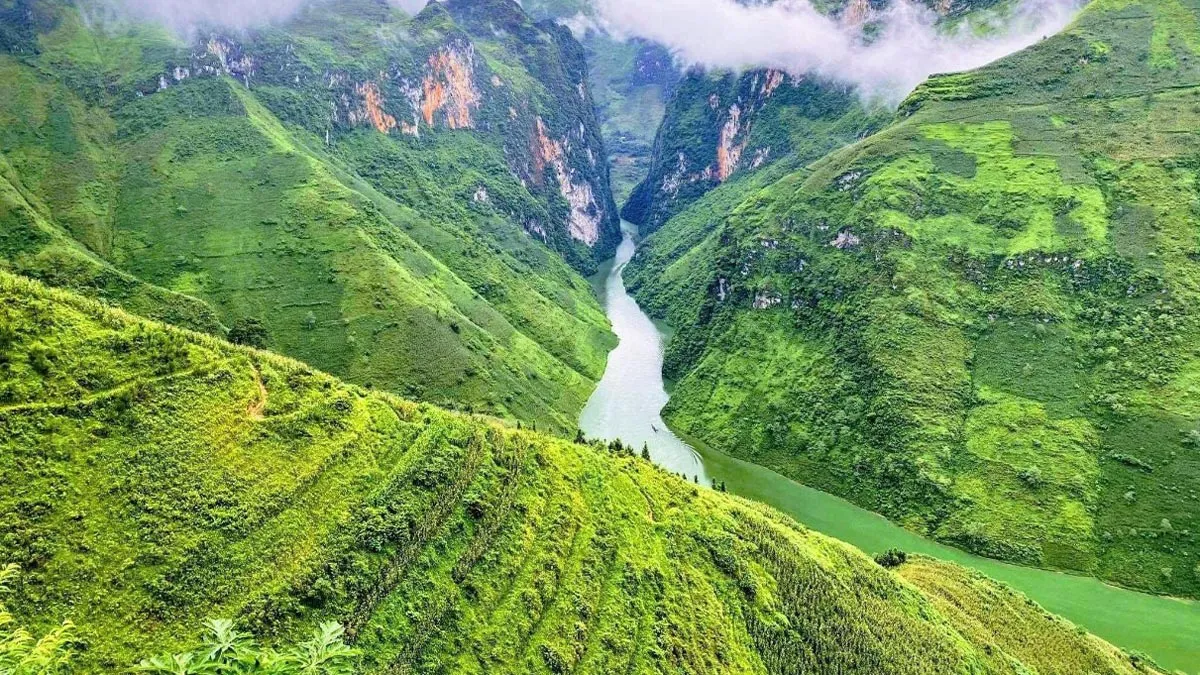
October is popular with travelers looking for cooler conditions. Long riding days may feel more comfortable than in the hottest months, and later-year scenery can be attractive. Popularity can also mean more visitors at well-known viewpoints and towns.
Do not interpret “good month” as “guaranteed clear skies.” Fog, cloud and local rain still occur. Pack layers and waterproofing, and allow the mountain atmosphere to be part of the experience rather than treating mist as a failed trip.
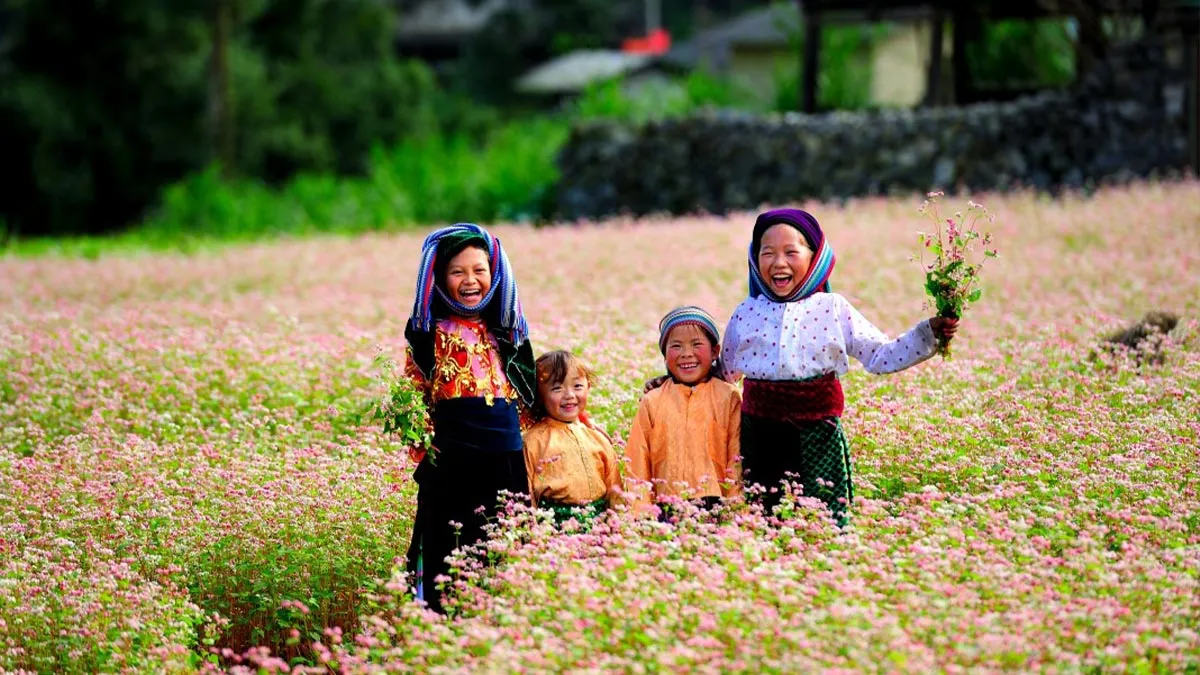
November: Cool Weather and Buckwheat Season
November is one of Ha Giang’s best-known months because of buckwheat flower season and festival interest. It also remains within the cooler September-to-November period, which many travelers find comfortable for the Loop.
Exact bloom timing and field condition change with weather, location and planting schedules. Crowds and room availability may also vary around popular dates. Plan November for the overall season, not one guaranteed flower photograph.
December: Winter Returns
December moves back toward colder winter conditions. Wind, cloud and mist can make exposed passes feel much colder than lower towns. Visibility may change quickly, and shorter daylight encourages sensible timing.
Bring warmer layers, gloves if useful, closed shoes and wind protection. December can suit travelers who enjoy quieter, atmospheric mountains and are comfortable trading warmth and predictable views for a winter experience.
Which Months Are Best for the Ha Giang Loop?
September to November is the strongest general recommendation for cooler conditions. April to June can also be pleasant and warm. July and August are better for travelers who accept regular monsoon rain in exchange for green scenery. December to February suits those prepared for colder and often mistier conditions.
The “best” month is the one whose trade-offs fit your travel style. A photographer may enjoy clouds and dramatic light that another visitor considers poor visibility. A traveler sensitive to heat may prefer autumn, while someone seeking green valleys may accept summer rain.
How Monthly Weather Affects Easy Rider vs Self-Riding
Weather changes the operating demands of the motorcycle. Rain increases stopping distance and surface uncertainty. Fog reduces the time available to read bends and traffic. Cold and wind can increase fatigue.
With an Easy Rider, a local rider controls the bike. With Self-Riding, you manage these conditions yourself. Self-Riding remains suitable only for experienced riders with appropriate legal documents and insurance; no month makes the Loop an appropriate place for beginners to learn.
What to Pack for Ha Giang Weather
- Light waterproof outer layer in every season.
- Layered clothing that adapts during the day.
- Warmer jacket, wind protection and gloves in winter.
- Breathable clothing and sun protection in warmer months.
- Closed shoes with reliable grip.
- Waterproof protection for phone, documents and medication.
The Ha Giang Loop Packing List gives a complete checklist. Pack light, but do not remove rain or warm layers solely to reduce bag size.
Weather Can Change the Route
A month-by-month guide cannot replace local conditions on the day. Heavy rain, fog, road works, surface damage or temporary access issues can affect timing and stops. SkyPath itineraries may be adjusted when weather, traffic, road conditions or guest safety require it, while keeping main highlights wherever conditions allow.
Leave reasonable time before onward buses, flights or hotel commitments. A flexible finish is especially important in wetter periods, when mountain travel may take longer than a fixed online estimate.
Plan Around Conditions, Not a Perfect Forecast
Choose a month using the overall weather and scenery you prefer. Recheck the forecast near departure, ask about recent road conditions and prepare for local changes. Ha Giang is a mountain destination; flexibility is part of a well-planned trip.
Plan around the weather
Compare SkyPath Ha Giang Loop tours
Compare routes, trip lengths and riding options to choose a Ha Giang journey that fits your travel plans.
Plan with confidence
Frequently Asked Questions
September to November is a strong period for cooler conditions, while April to June can be pleasant and warm. Choose based on the weather and scenery trade-offs you prefer.
The June-to-August summer period is wetter, with July and August commonly associated with regular monsoon rain.
January is within the colder winter period, especially on high passes and during early mornings.
October is within the cooler September-to-November period and is popular for mountain travel, but clear weather is never guaranteed.
November is cooler and well known for buckwheat flower season, although exact bloom timing varies and popular dates may be busier.
Yes. Rain, fog, road works and surface conditions can require timing, stop or route adjustments for safety.