
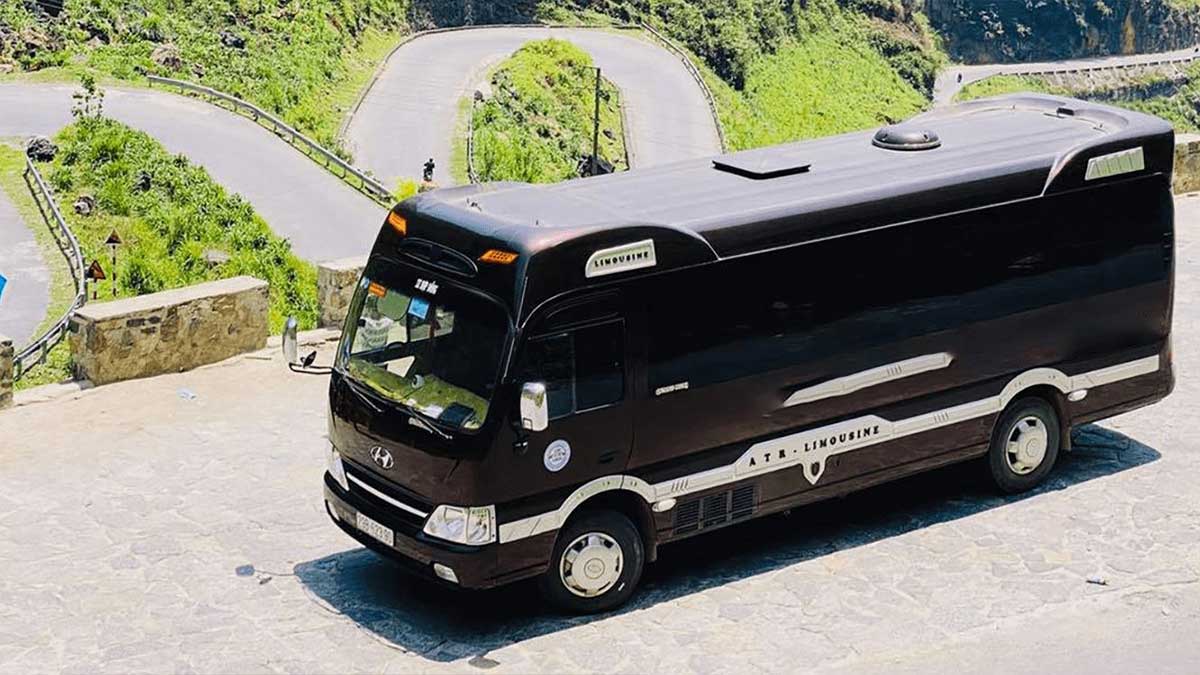
Getting from Hanoi to Ha Giang is usually the first transport decision before a Ha Giang Loop trip. Ha Giang is roughly 300 kilometres north of Hanoi by road, and the practical ways to travel are overnight sleeper bus, daytime coach, limousine-style van or private transfer. There is no direct railway line to Ha Giang and no regular commercial flight between Hanoi and Ha Giang, so road transport is the normal solution.
The best option depends on your budget, how well you sleep in moving vehicles, your arrival time in Hanoi and when your Loop tour begins. If you already have a fixed tour start, plan the transfer around that meeting time rather than choosing the cheapest ticket first and trying to force the rest of the schedule to fit.
Hanoi to Ha Giang at a Glance
Distance: approximately 300 km by road. Typical journey planning range: around 5–8 hours depending on vehicle, traffic, pickup points, rest stops and road conditions. Overnight and daytime buses are both commonly used. A private transfer costs more but gives the most control over pickup time and luggage.
Treat all journey times as estimates. Hanoi traffic can add time before the vehicle has even left the city, and shared services may collect passengers from more than one point. The final part of the journey also follows northern roads where conditions and traffic are less predictable than on a straight motorway transfer.
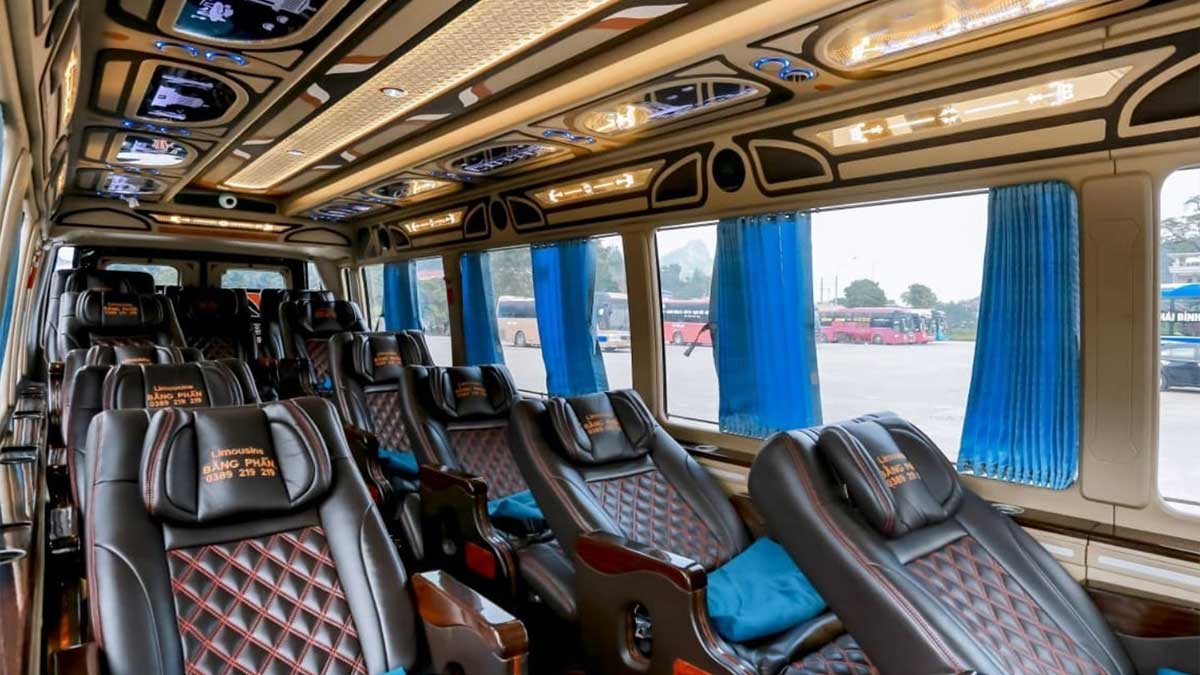
Option 1: Overnight Sleeper Bus
An overnight sleeper bus is popular because it moves the long transfer into the night. Travelers who land or finish sightseeing in Hanoi in the evening can board later, travel while they would otherwise be sleeping and arrive in Ha Giang early enough to prepare for the next stage of the trip.
The trade-off is sleep quality. Some people sleep well on sleeper buses; others arrive tired because of road movement, stops, lights or unfamiliar sleeping positions. If your Loop starts the same morning, ask where you can rest, shower or leave luggage before departure. Do not assume that arriving at 4 or 5 a.m. automatically means you are ready for a full motorcycle day.
Option 2: Daytime Bus
A daytime coach is a better fit if you dislike sleeping on buses or want a more conventional travel day. You leave Hanoi in the morning or around midday and usually reach Ha Giang later the same day, depending on the service.
The disadvantage is that the transfer uses valuable daylight. The advantage is that you can arrive, eat dinner, organize your luggage and sleep properly before beginning the Loop the next morning. For Self-Riders in particular, arriving rested is more important than saving a few daytime hours.
Option 3: Limousine-Style Van
Smaller shared vans are often marketed as limousine services. They can offer fewer passengers, a different seating layout and more central pickup arrangements than large sleeper buses. Comfort varies by operator, so check the actual vehicle rather than relying only on the word “limousine.”
This option can work well for couples or travelers who want a shared transfer without the sleeping-bus format. Pickup zones and baggage allowance vary, and some services still make multiple collection stops in Hanoi.
Option 4: Private Transfer
A private car or van gives the most control over departure time, pickup location and luggage. It can be convenient for families, small groups, travelers arriving at the airport, or anyone who prefers not to coordinate with a shared-bus schedule.
Private transfers are usually much more expensive than shared transport. They are not guaranteed to be dramatically faster because the road distance is the same, but they reduce waiting for other passengers and make door-to-door planning simpler.
Where Do Buses to Ha Giang Leave From in Hanoi?
There is no single departure point used by every operator. Some services leave from major bus stations, while others collect travelers at offices or designated pickup points in the Old Quarter and other parts of central Hanoi. Airport pickup is a separate question and should never be assumed simply because a ticket says “Hanoi.”
Before paying, confirm the exact pickup address, check-in time and whether hotel pickup is included. Save the address offline and allow extra time to reach it because evening traffic in Hanoi can be slow. If your accommodation is outside the pickup area, plan a taxi or ride-hailing transfer to the meeting point.
Arriving in Ha Giang: What Happens Next?
Shared buses may arrive at a bus station, operator office or a designated drop-off point. If you are joining a tour, ask whether the tour company provides a pickup, whether you should go directly to the office and what time the pre-tour briefing begins.
Early-morning arrivals are common after overnight transport. Good planning includes somewhere to wait or rest. A shower, breakfast and a short sleep can make the first riding day significantly more comfortable.

Should You Travel to Ha Giang on the Same Day as Your Tour Starts?
Sometimes yes, but it depends on the timetable. A daytime transfer that arrives after the tour departure obviously will not work. An overnight bus can fit a morning start, but only if there is enough buffer for delays and you are comfortable starting after the journey.
The safer planning approach is to arrive in Ha Giang the evening before, especially if you are Self-Riding. This gives you time to sleep, check equipment, review the route and resolve any documentation or luggage issues without pressure.
Can You Go Straight From Noi Bai Airport to Ha Giang?
It is possible to arrange onward road transport, but the practical question is whether your flight timing leaves enough margin. Immigration, baggage collection and flight delays can make a tight connection stressful. Some shared services do not collect from the airport, and private pickup usually costs more.
If your international flight lands late or you have already traveled for many hours, one night in Hanoi can be the better choice. Starting a mountain trip exhausted is rarely worth the calendar saving.
What to Do With Large Luggage
Most travelers do not need a large suitcase on the Loop. Pack a small soft bag for the multi-day ride and confirm where larger luggage can be stored. If your tour company offers storage, verify it before arrival instead of assuming it is included.
Keep passports, medication, money and important electronics with you. Protect items from rain, and avoid carrying a hard suitcase on the motorcycle unless the operator has specifically confirmed a suitable arrangement.
Booking the Transfer: What to Check Before You Pay
- Exact pickup address and check-in time.
- Expected drop-off point in Ha Giang.
- Vehicle type and seat or sleeping-berth arrangement.
- Baggage allowance.
- Whether hotel or airport pickup is included.
- Cancellation or change conditions.
- Whether the arrival time matches your tour briefing.
The cheapest fare can become inconvenient if it creates an unsafe connection or leaves you stranded before dawn. Compare the full door-to-door journey, not only the ticket price.
Example Timing Strategies
If your Loop starts at 8 a.m., an overnight bus can work when the operator confirms an early arrival and you have somewhere to rest before the briefing. A more comfortable alternative is traveling during the previous day and sleeping in Ha Giang.
If your Loop starts in the afternoon, a morning shared transfer may be possible, but build in a generous delay buffer. If you land at Noi Bai Airport on the same day, avoid booking the tightest possible connection. International travel delays are outside the control of a local tour operator.
How to Travel Back to Hanoi After the Loop
Return planning follows the same logic. Confirm approximately when your tour reaches Ha Giang City and leave enough time before the bus. Do not book a Hanoi flight immediately after the expected Loop finish; road delays can make a tight airport connection risky.
Many travelers spend a short period in Ha Giang after the tour, eat, shower and then take an evening or overnight bus back to Hanoi. This creates a more comfortable transition than racing directly from the motorcycle to the next departure.
Choosing a Transfer Based on Your Travel Style
Backpackers and solo travelers usually get the best value from shared buses, especially when accommodation is in central Hanoi and the Ha Giang arrival point is easy to reach. Couples may prefer a limousine-style van for a little more space. Families or small groups can find that a private transfer becomes more reasonable when the cost is divided between several people. Comfort matters more than many travelers expect. If you are tall, have back problems or struggle to sleep sitting semi-reclined, ask for details of the vehicle before choosing an overnight service.
What to Do if Your Bus Is Delayed
Shared road transport can run late. Keep your tour operator phone number or messaging contact available and send an update as soon as a delay becomes clear. Do not wait until the planned meeting time has already passed. A good itinerary has some operational flexibility, but a group cannot always wait indefinitely for one passenger. This is another reason to arrive the evening before when possible: it turns a transport delay from a trip-threatening problem into a minor inconvenience.
Hanoi to Ha Giang for Travelers With Motion Sickness
The route includes long stretches of road and the final approach becomes increasingly winding. If you are prone to motion sickness, choose a seat that suits you, avoid a very heavy meal immediately before departure and carry the medication you normally use according to your own medical guidance. Keep water accessible and avoid excessive alcohol the night before. Travelers who feel very unwell on shared buses may prefer a private transfer because it allows more control over breaks.
What to Keep in Your Day Bag
Keep your passport, phone, wallet, medication, charging cable, a light layer and some water where you can reach them without opening the luggage compartment. Buses can be cool because of air-conditioning, while roadside rest stops may feel hot. A small day bag makes the journey easier and ensures that essential items are not locked under the vehicle when you need them.
Frequently Asked Questions
Is there a train from Hanoi to Ha Giang?
No direct train reaches Ha Giang. Road transport is the normal option from Hanoi.
How long does Hanoi to Ha Giang take?
Plan roughly 5–8 hours, but treat this as a planning range rather than a guaranteed journey time.
Is a sleeper bus worth it?
It saves daytime hours and can fit a morning tour start, but only if you are comfortable sleeping on a moving bus.
Should I arrive the day before my Ha Giang Loop?
Arriving the previous evening is the most comfortable option, especially for Self-Riders or travelers who do not sleep well on overnight buses.
Can SkyPath help coordinate my transfer?
Check the live booking details or contact SkyPath before paying for transport so your arrival can be matched to the confirmed tour start.
How much is the bus from Hanoi to Ha Giang?
Fares vary by operator, vehicle type, pickup point, berth or seat layout and travel date. Check the current price and the exact inclusions before paying, rather than relying on an old price list.
What is the best overnight bus from Hanoi to Ha Giang?
The best choice is the service that matches your real pickup location, luggage needs and arrival plan in Ha Giang. Confirm the vehicle type, departure point, expected drop-off and whether you have a place to rest before your tour starts.
How far in advance should I book a Hanoi to Ha Giang bus?
Book as early as possible for weekends, public holidays and busy travel months. At quieter times, same-day availability may exist, but reserving in advance gives you more choice of schedule and helps coordinate a confirmed Ha Giang Loop start time.
Make the Transfer Part of Your Ha Giang Plan
The Hanoi–Ha Giang journey is not just a transport detail. It determines how rested you are when the Loop begins, how much buffer you have for delays and whether luggage and meeting points are easy to manage. Choose the transport around the tour, not the other way around.

For planning the rest of your route, see the Ha Giang Loop map and main stops guide.
Book your Ha Giang Loop tour Compare SkyPath Ha Giang Loop tours